Wherever There Are Chinese Communities, There Are Lion Dances
 바라지구
The High-Pole Journey of Siow Ho Phiew
"To pass lion dance on to the next generation, it must first go beyond its own circle."
With this simple remark, Malaysian lion dance master Siow Ho Phiew captures how lion dance has long connected Chinese communities scattered across the world.
"Wherever there are Chinese people, there are lion dances," he says.
While he acknowledges that not everyone may share this view, the phrase is one that resonates deeply within Malaysia's Chinese community. For Siow, it is also a fitting reflection of the road he has travelled over the decades, and of the role lion dance continues to play in connecting Chinese communities across borders.

A Symbol That Connects Chinese Communities Worldwide
"I hope to bring the spirit of lion dance to life as a representation of Chinese culture," he says. "Today, the spirit of lion dance connects people through a shared identity."
In Siow's eyes, lion dance has never belonged to a single place or lineage. It has travelled alongside Chinese communities across the world, from the streets of Malaysia to exhibition halls in Macau. Wherever a lion dances, there is a connection to culture, heritage and belonging.
This is what he means by a shared identity. Beyond geography, lion dance has become a cultural symbol recognised by Chinese communities worldwide, a familiar face that transcends borders and generations.
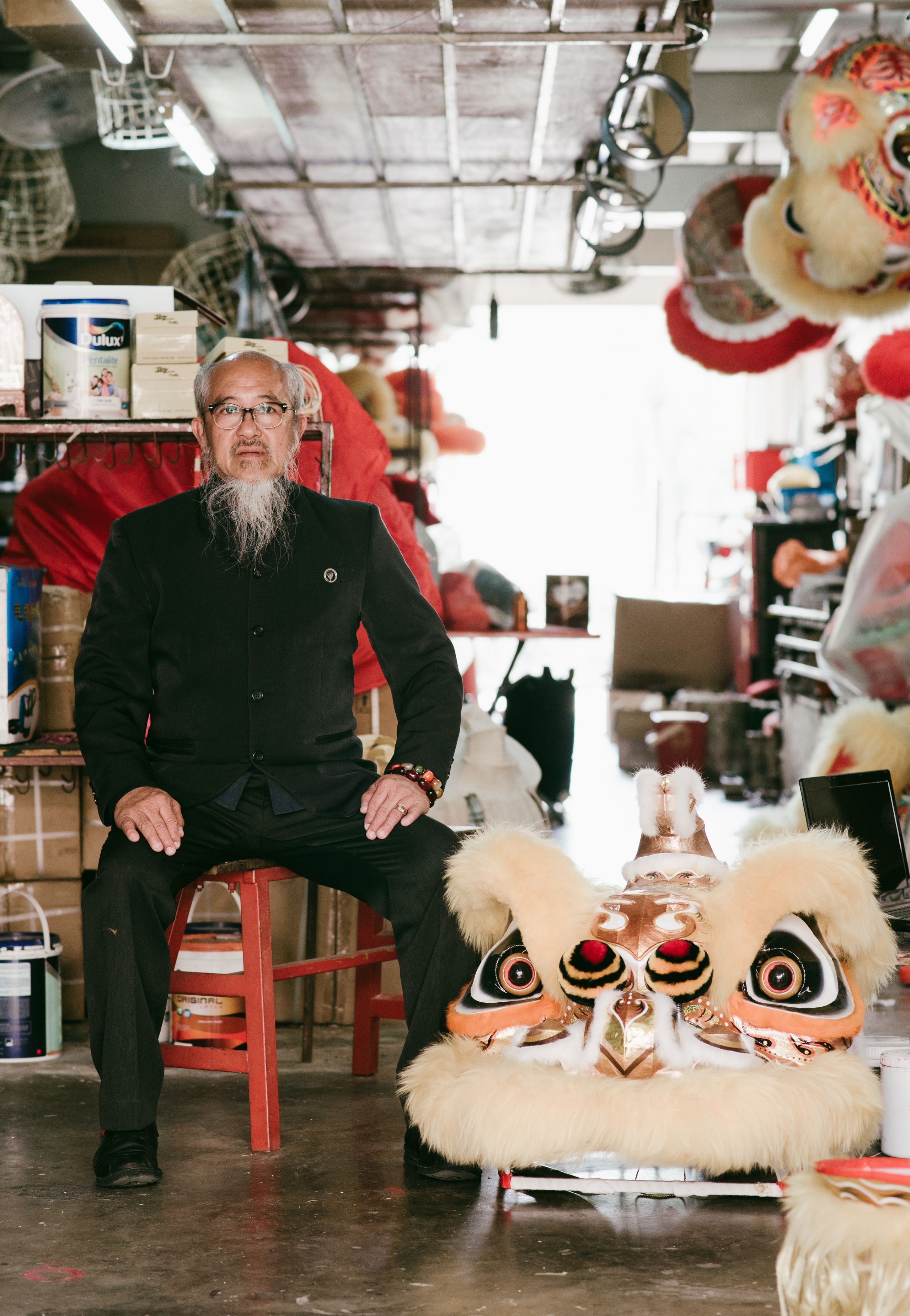
From Cai Qing to High-Pole Lion Dance
Looking back on his journey, Siow has witnessed lion dance evolve from the grassroots tradition of "cai qing", or "plucking the greens", into the spectacular discipline of high-pole lion dance seen on international stages today.
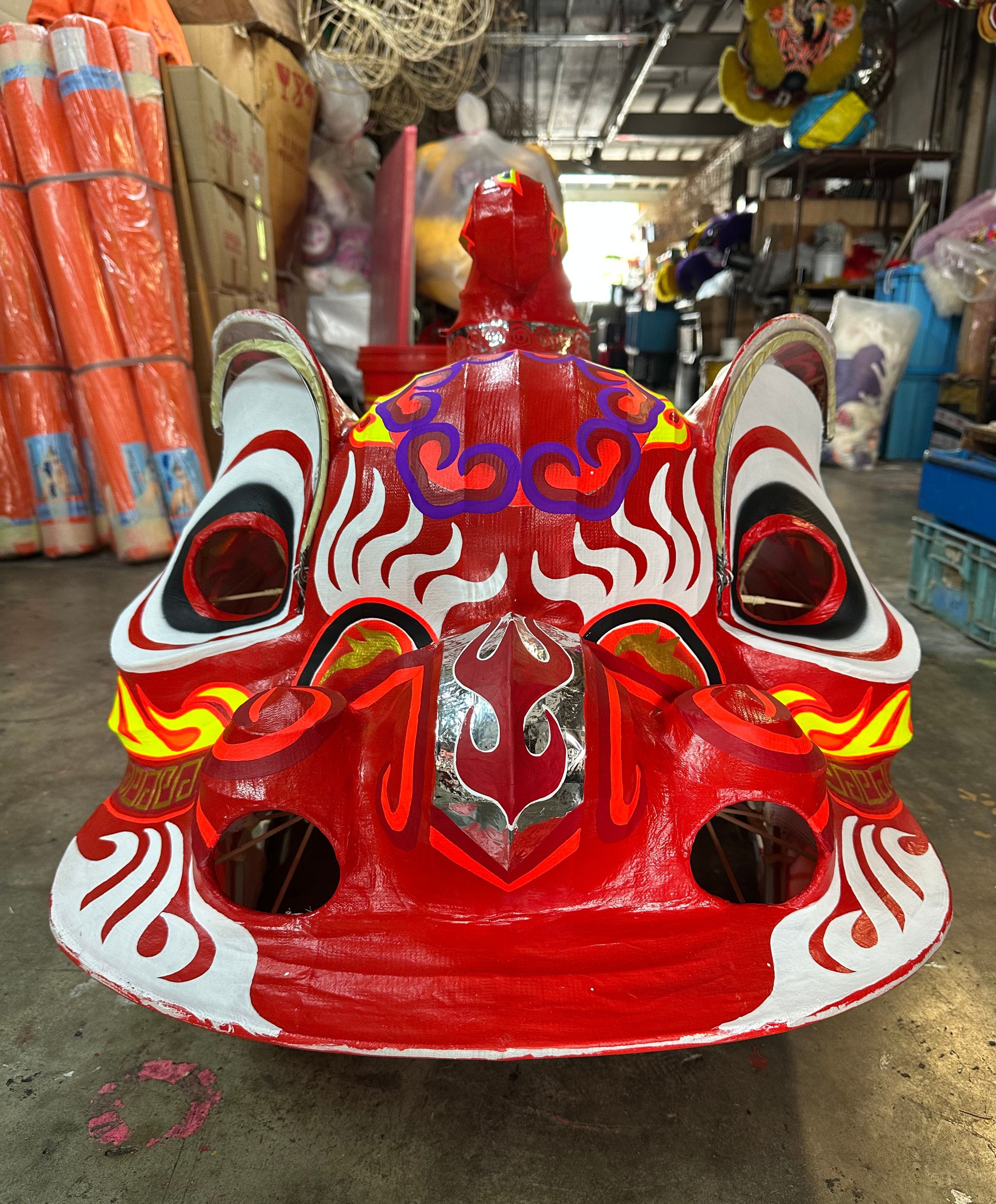
The road was far from smooth. Driven by a desire to innovate, he introduced new ideas, even redesigning elements of the lion head and costume. In a community where lineage and tradition were deeply respected, such changes were not always welcomed. Yet he never wavered.
"If I believe something is right, I must keep moving forward," he says.
Behind that determination was a clear conviction that he was not innovating for novelty's sake. Instead, he was helping the culture evolve.
"I am simply adding something new to the culture."
A Gathering for the World
Speaking of MGM's exhibition, which brings together elite lion dance teams from around the world alongside contemporary artists' lion-inspired creations, Siow Ho Phiew hopes visitors will see more than the excitement on display.
Rather than simply watching the spectacle unfold, he hopes audiences will come to appreciate the many possibilities of lion dance through exchange, interaction, and dialogue.
For Siow, a platform like this is inspiring in itself.
"For lion dance practitioners like me, an inspiring stage like this broadens our horizons and opens up new perspectives," he says.
Having weathered decades of challenges and change, he has long learned to take personal gains and losses in stride:
Through life's ups and downs, I remain true to myself.
The rise and fall of the world pass before the eyes;
only the light within continues to shine, untouched by dust.
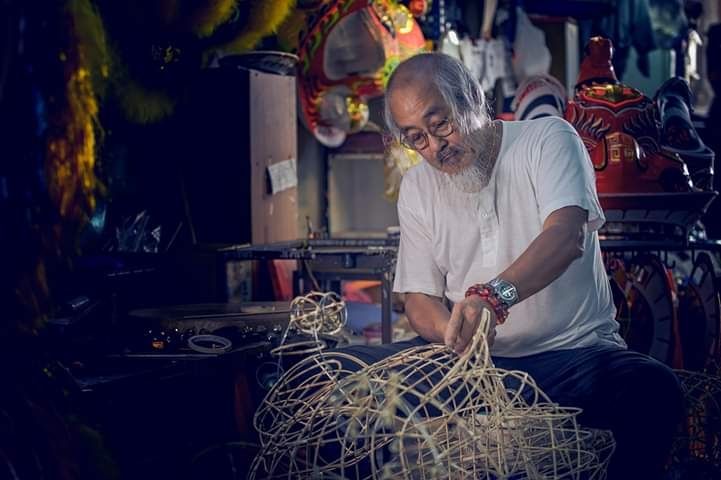
Through high-pole lion dance, Siow helped elevate lion dance from the folk tradition of door-to-door cai qing performances onto the international stage. This time, MGM has brought world-class lion dance teams and contemporary artists together within a single exhibition space.
In many ways, this convergence extends a vision that has guided Siow for more than four decades: that lion dance should belong not only to a particular place, but to every corner of the world where Chinese communities are found, and to everyone willing to pause, look closer, and discover its richness.
9 artworks, 9 different takes
“Legacy of the Sacred Flame” is now on view at Lion Dance Festival 2026.
MGM Go


MGM을 더 즐겁게 즐기는 방법.
 Macau International Airport
 Hong Kong-Zhuhai-Macao Bridge Border Gate Hengqin Port
 Macau Outer Harbour Ferry Terminal Taipa Ferry Terminal
QR코드 스캔으로 MGM 공식 위챗을 팔로우하여 최신 혜택을 받아보세요!
© 2026 MGM. All Rights Reserved.