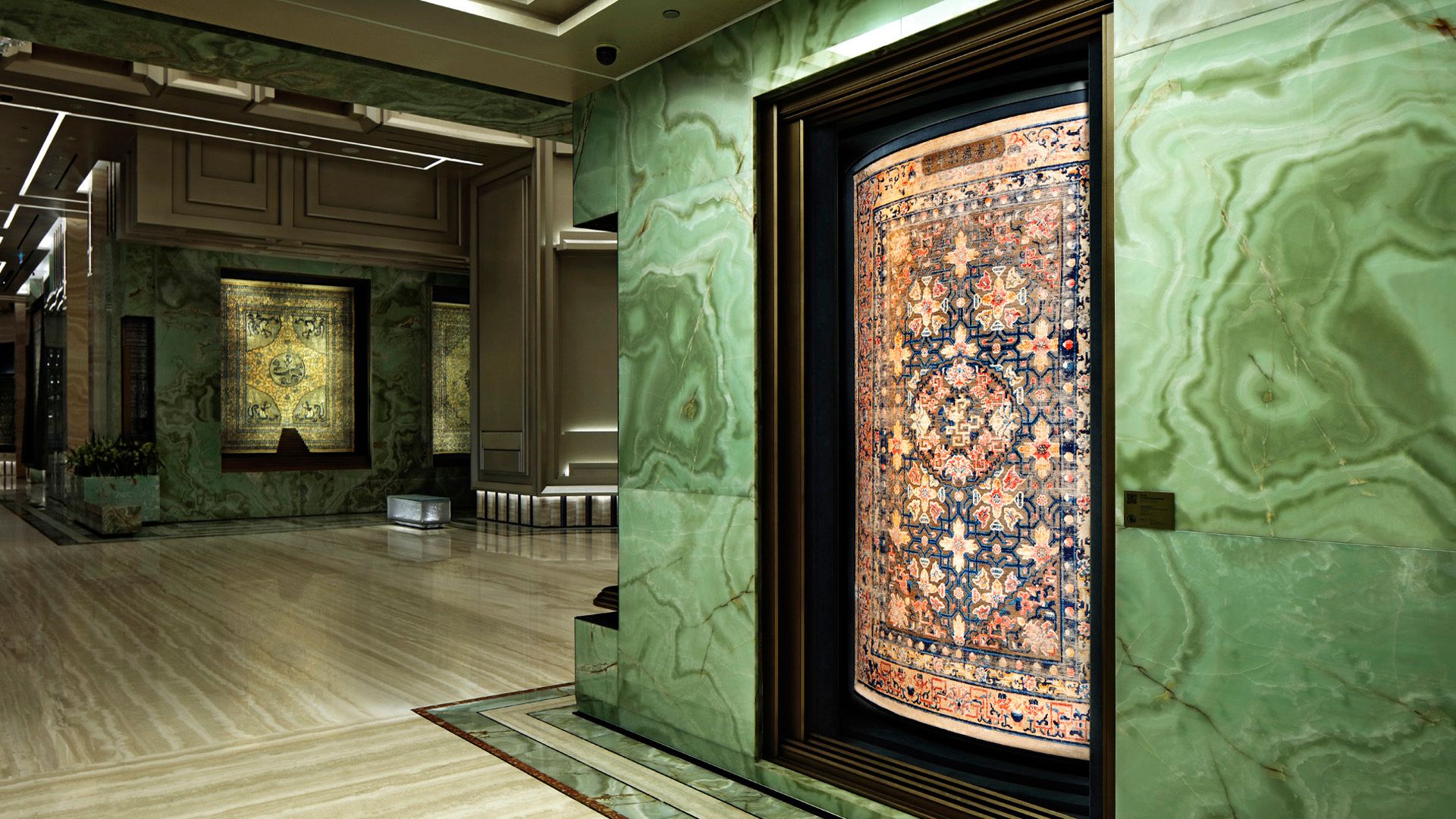
The MGM Collection of Imperial Carpets – Masterpieces of the Qing Dynasty
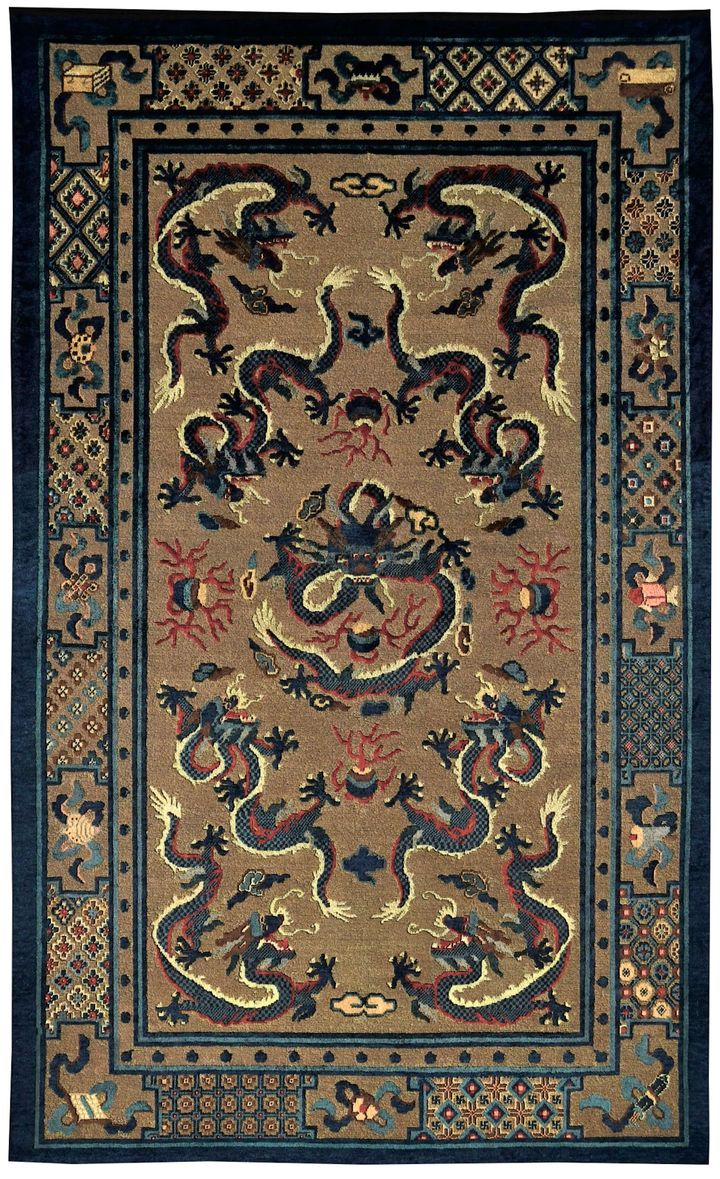
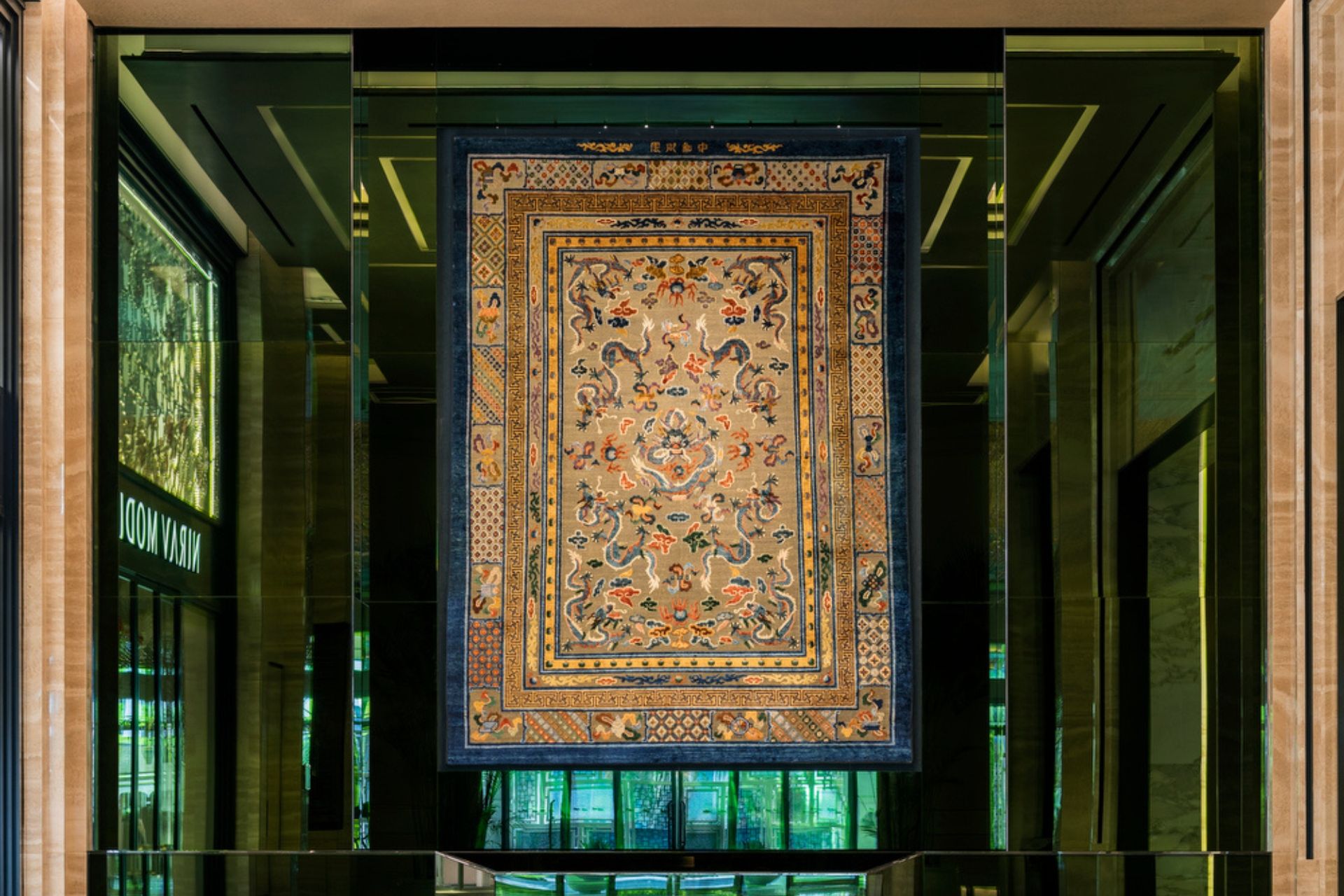
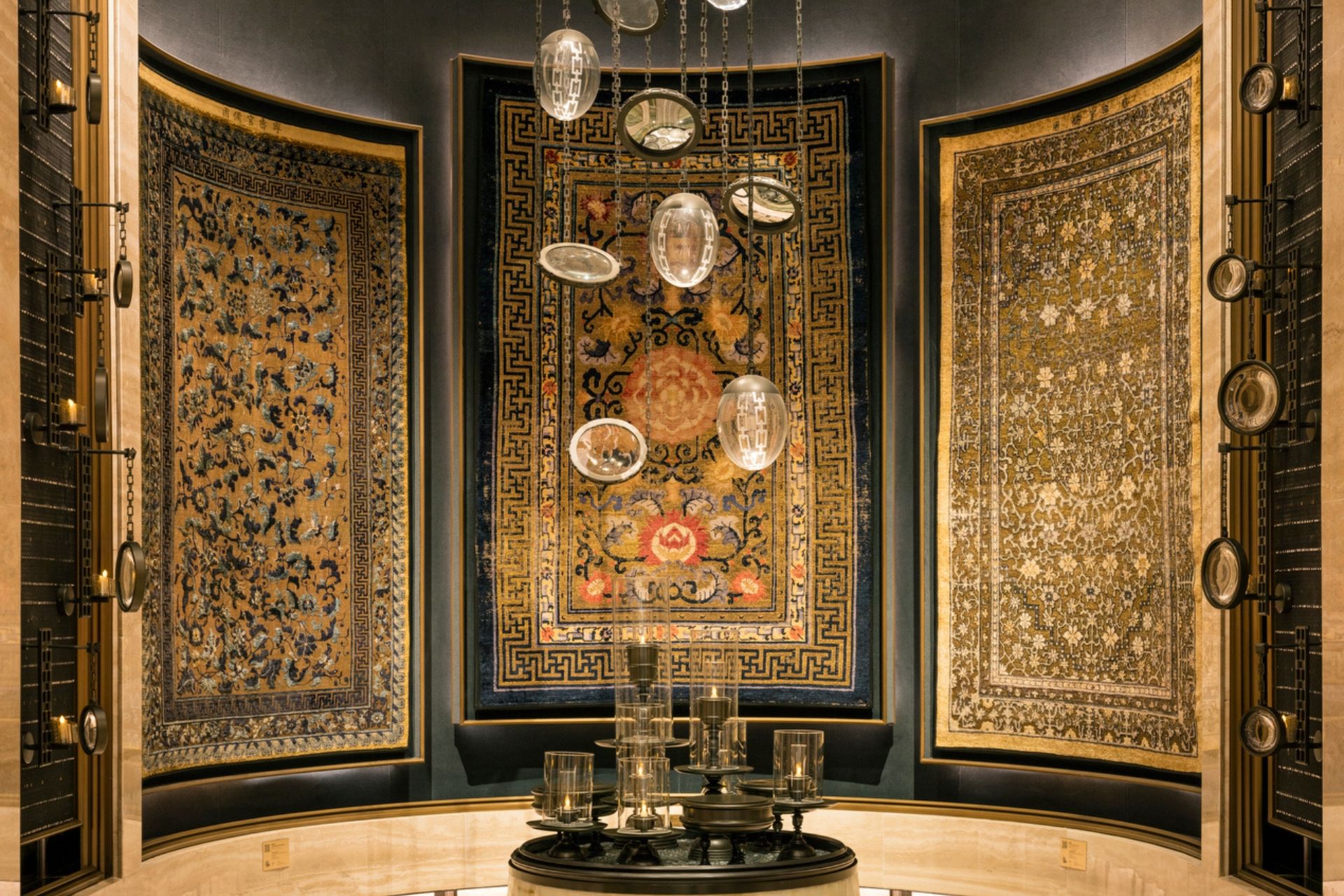
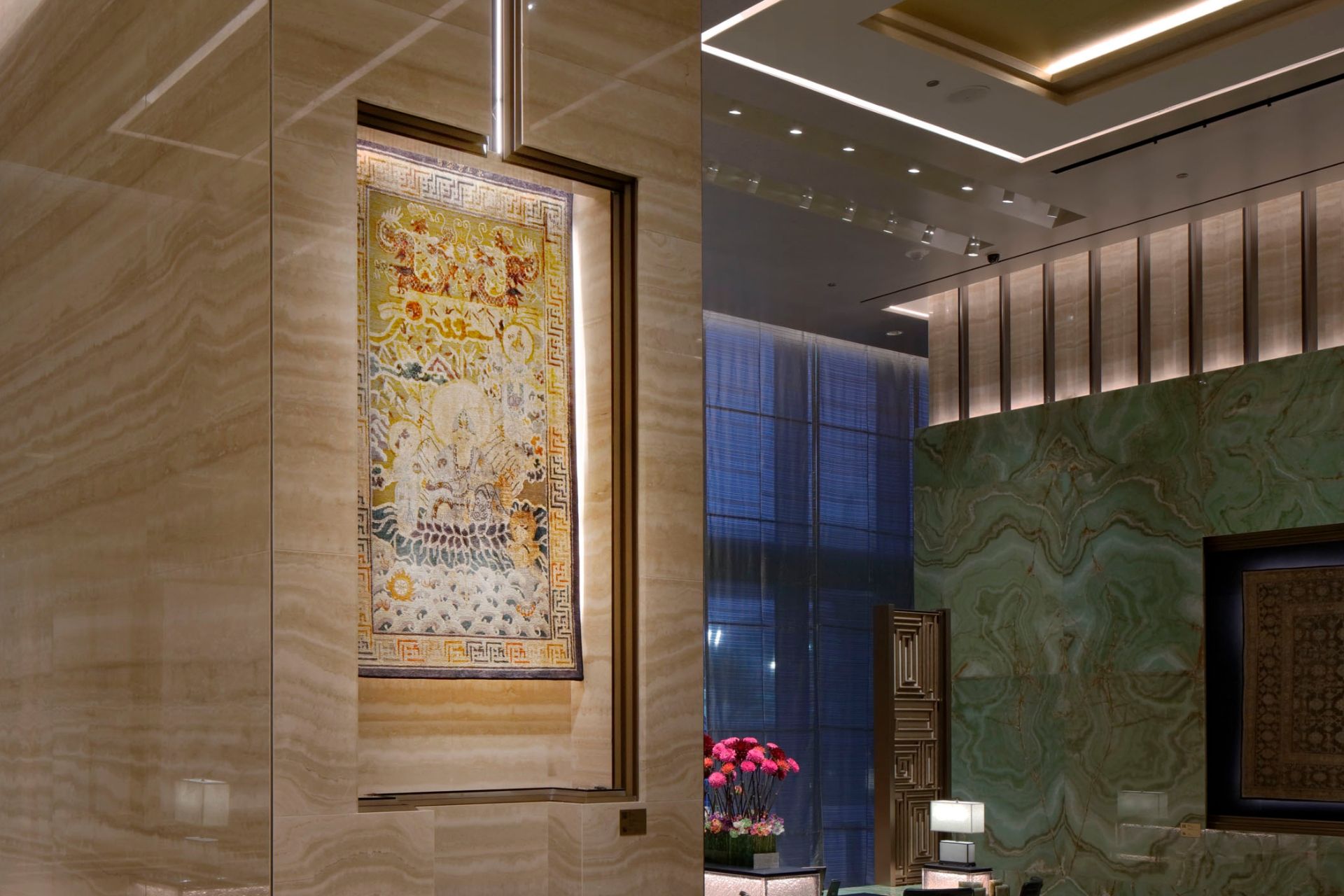
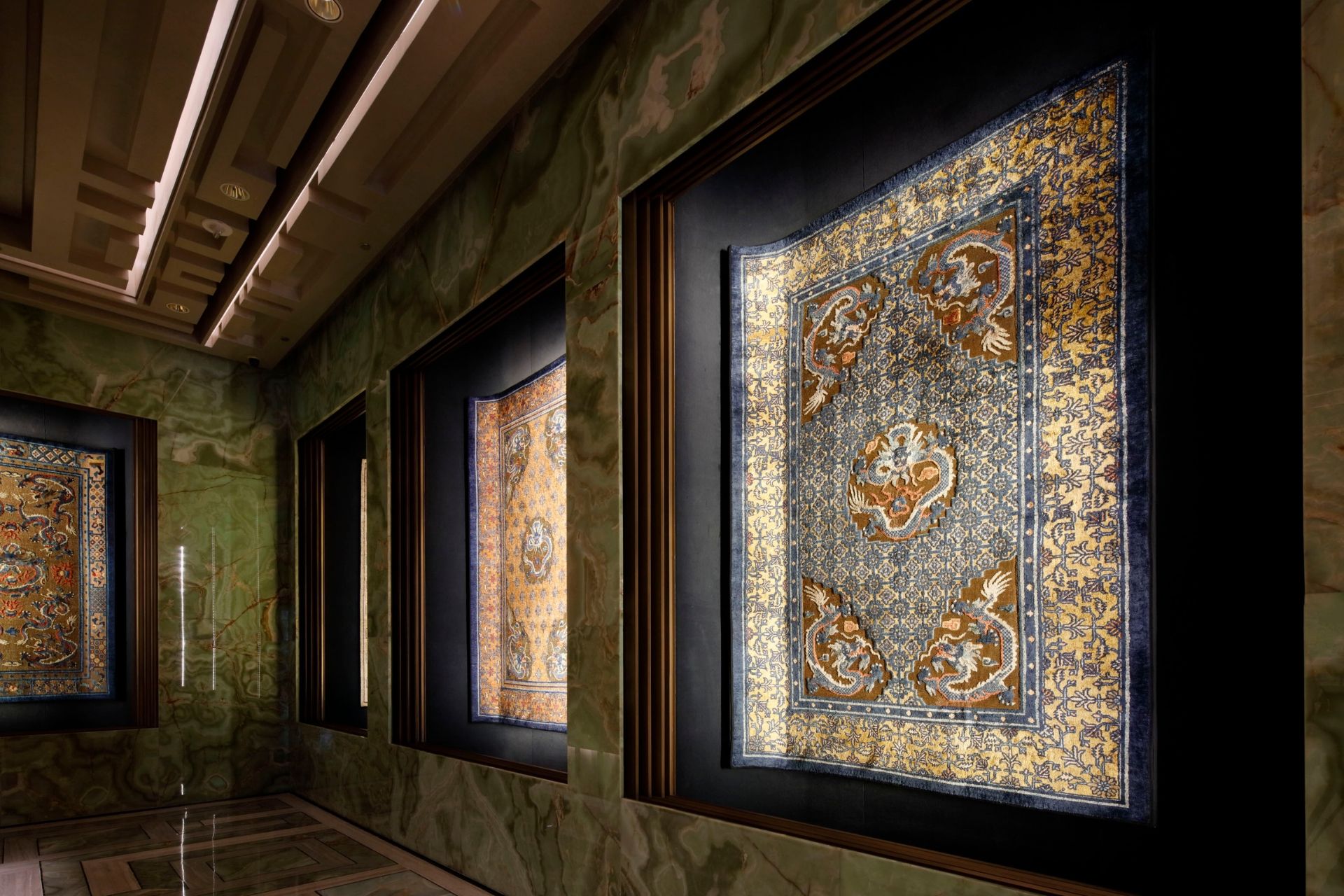
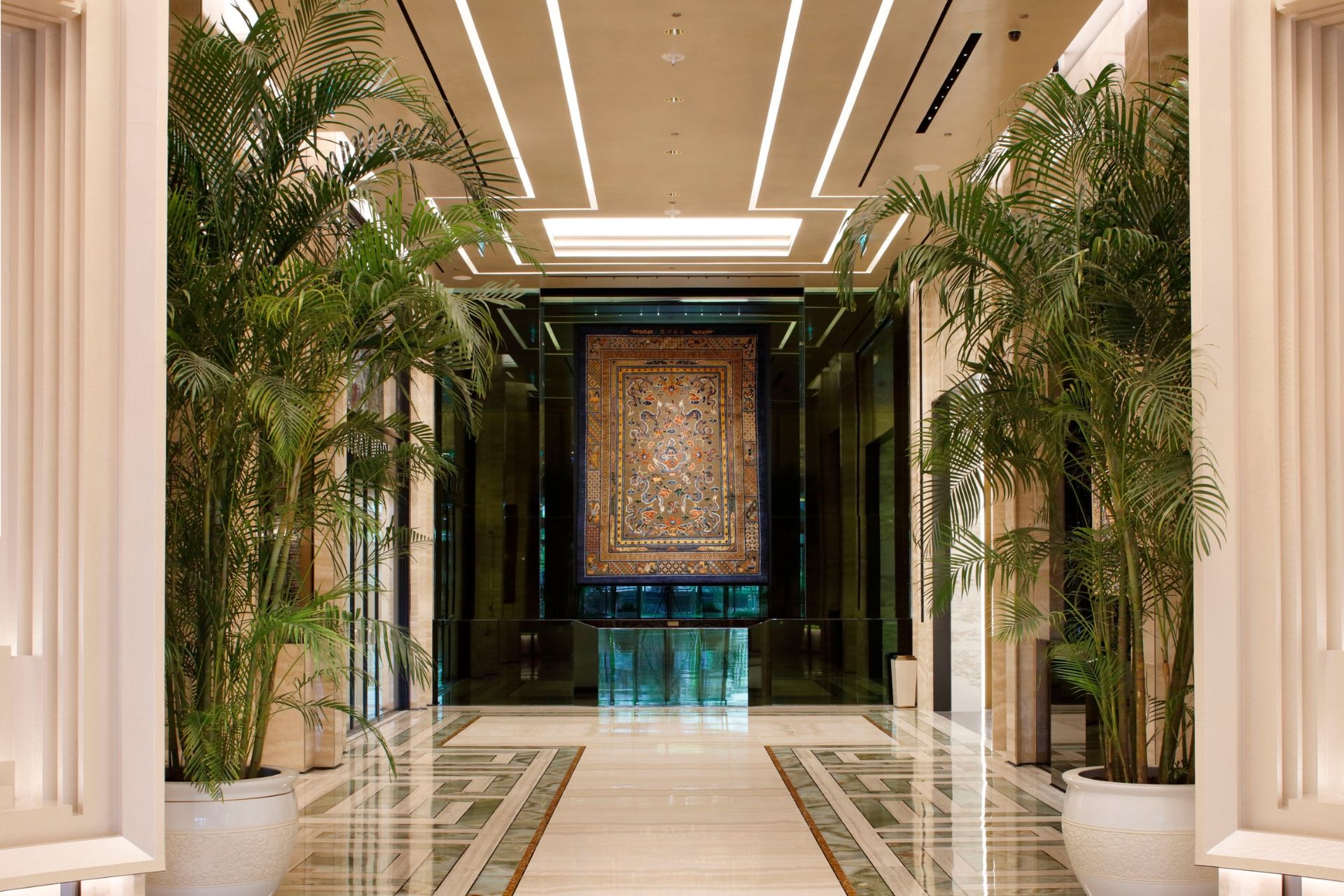
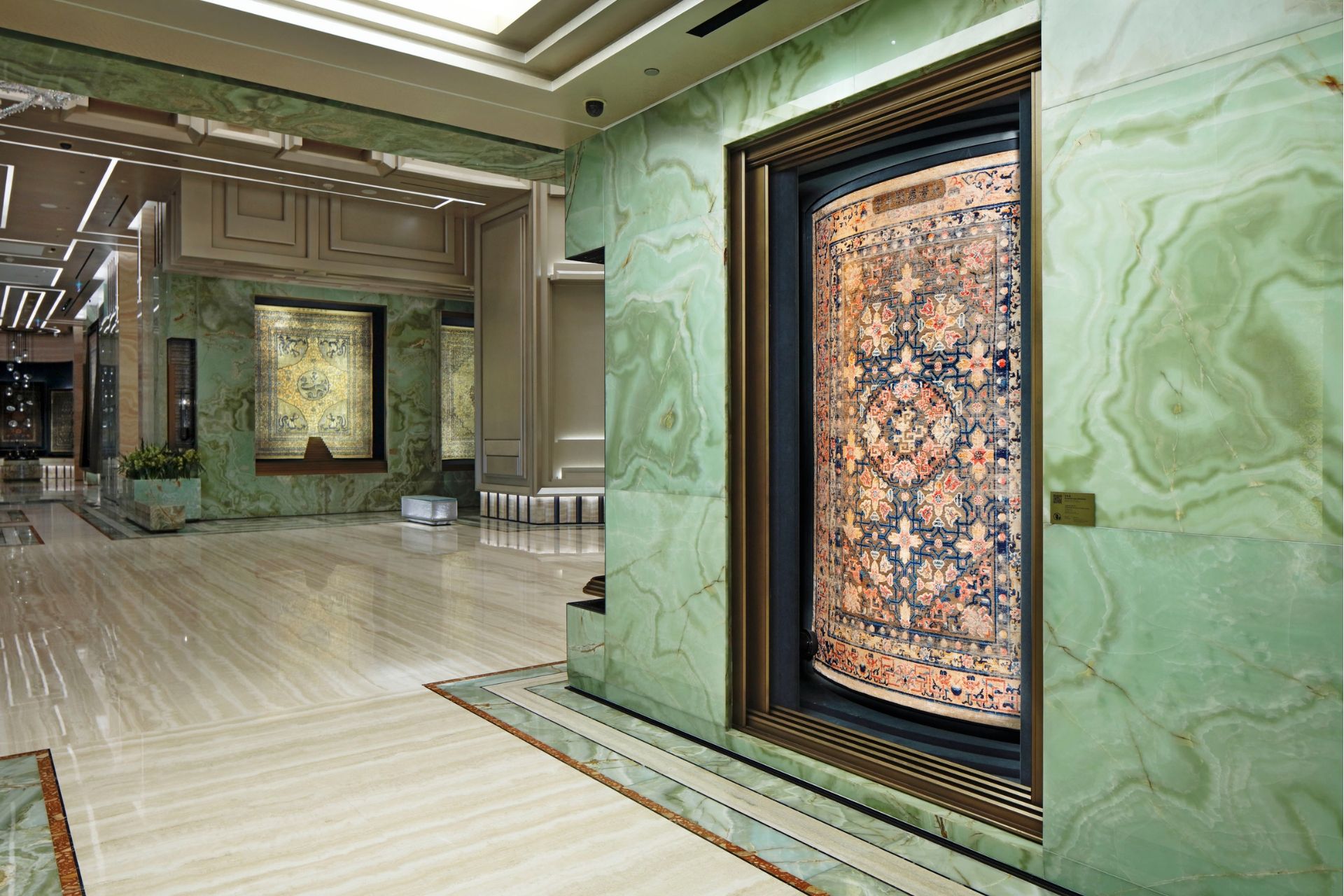
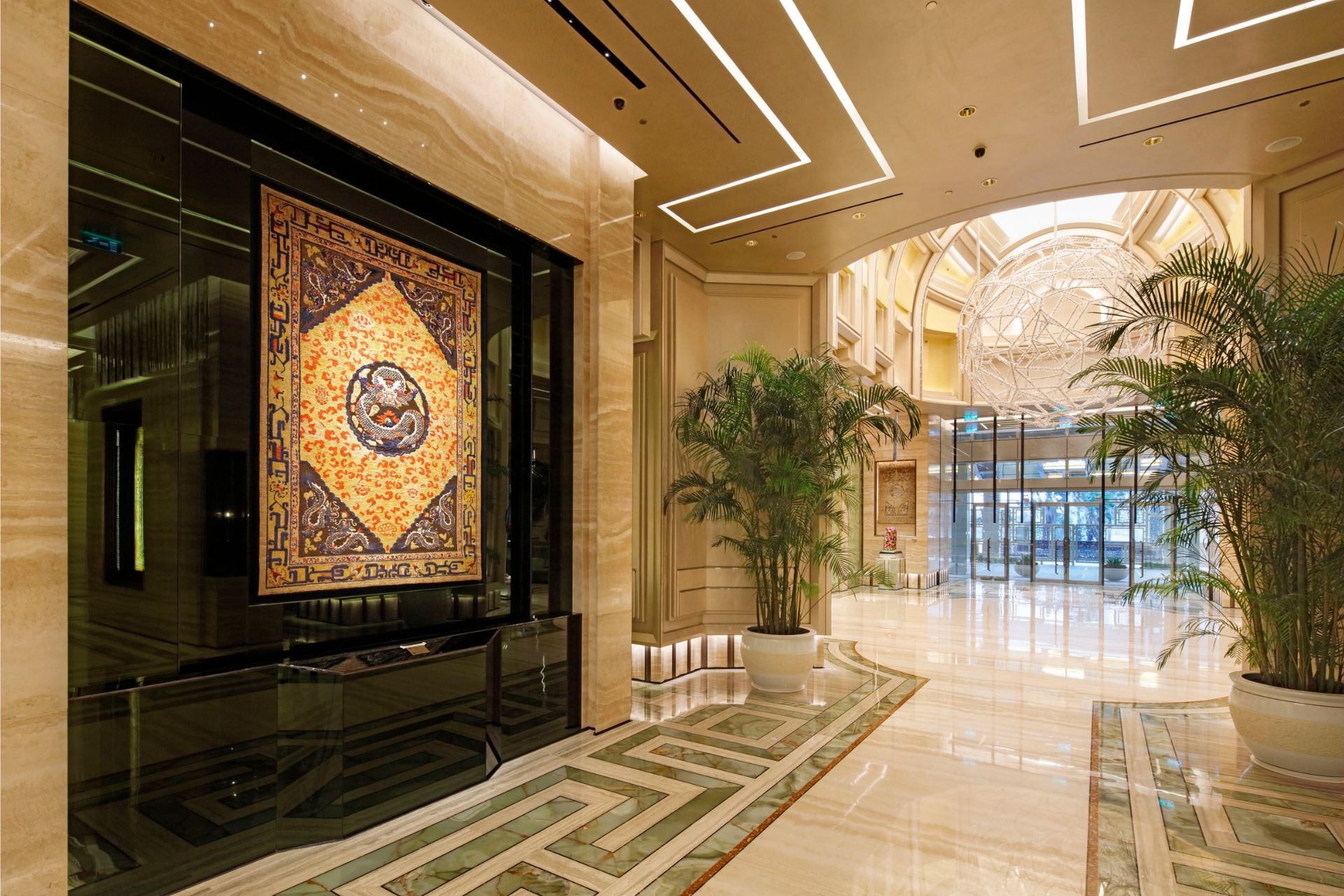
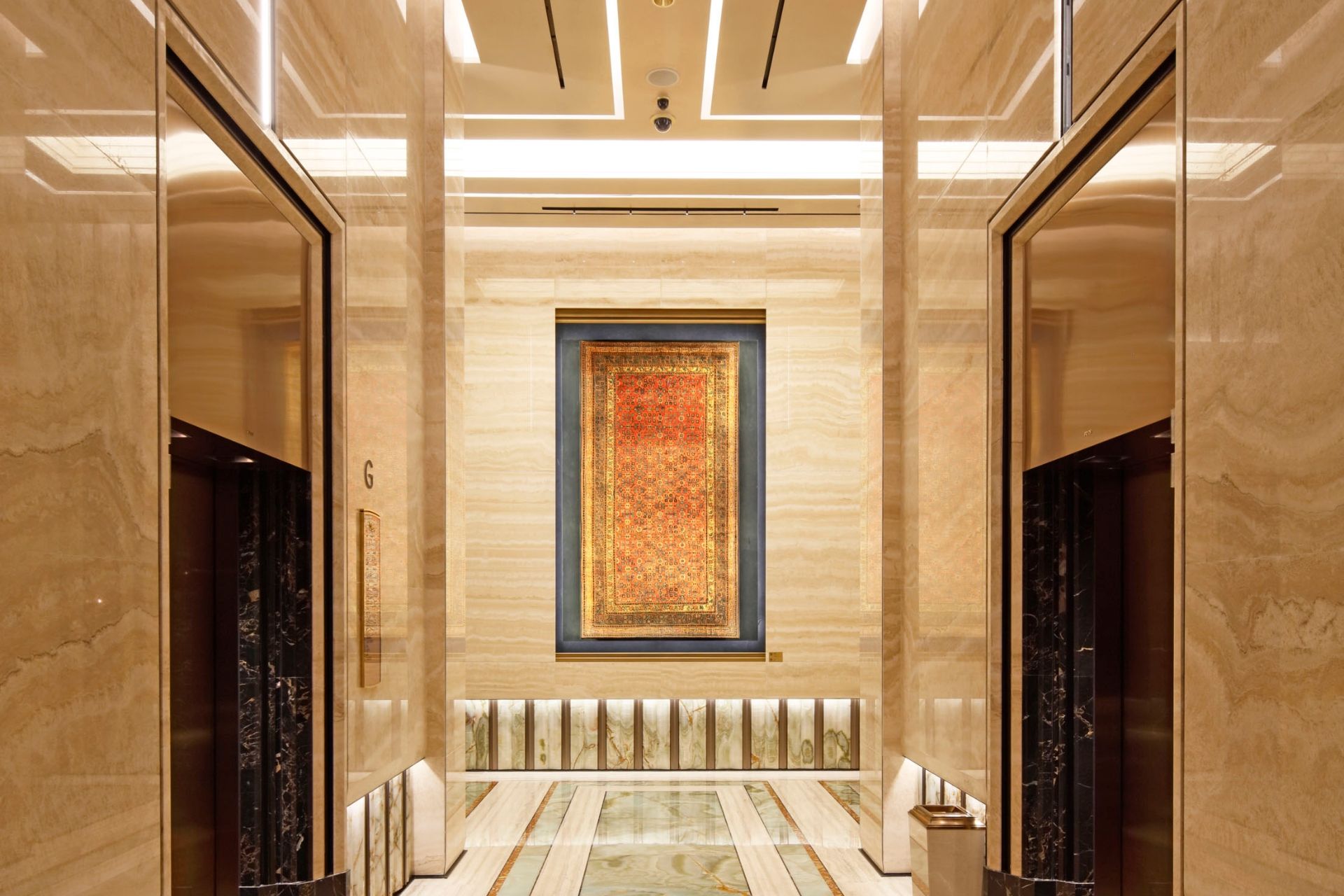
Silk and metal carpets embellished the royal pavilions of the Forbidden City of Beijing during the Qing Dynasty (1644-1911). Nowadays, only 300 pieces are known among public and private collections. The 28 carpets included in this unique collection display common features in style, time period, and symbolism. Established under the reign of Emperor Kangxi, the Imperial workshops, or Zaobanchu, manufactured goods and furniture for the Imperial Court. They were known for silk carpets with gold, silver, and copper thread depicting dragons, phoenixes, and flowers. Only 126 carpets retain the name of their destined pavilion, embroidered on the selvage. They relate to about 20 pavilions and 6 recur frequently: the Hall of Supreme Harmony, or Taihedian; the Hall of Central Harmony, or Zhonghedian; the Hall of Preserved Harmony, or Baohedian; the Palace of Heavenly Purity, or Qiangingong; the Palace of Tranquil Longevity, or Ningshougong; and the Hall of Great Benevolence, or Jinrengong.
 Macau International Airport
 Hong Kong-Zhuhai-Macao Bridge Border Gate Hengqin Port
 Macau Outer Harbour Ferry Terminal Taipa Ferry Terminal